Common ABS Faults And Problems
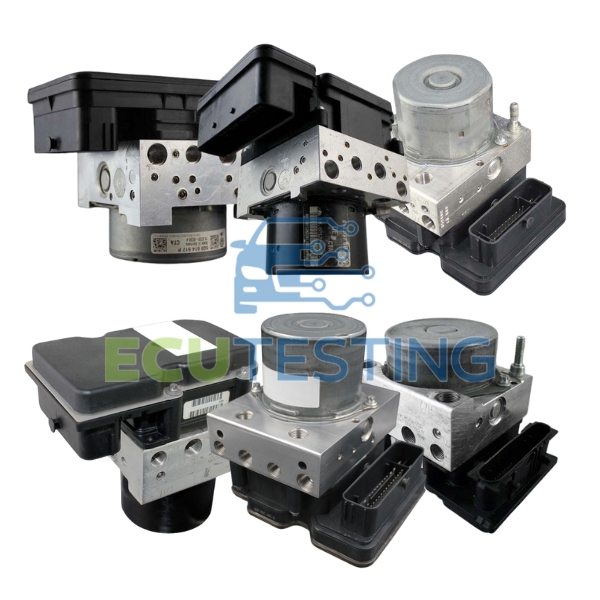
Are you having problems with your vehicle’s ABS and think there might be a fault with the control module? This is surprisingly common, but it can be difficult to determine whether your problem is actually being caused by the ABS unit or by something somewhere else in the system, like a bad brake line or calliper. Thankfully we can help you with this.
Shop Now - ABS Test & Rebuild Service
If you suspect your ABS problems have been caused by a control unit fault, you can send it to us for testing here. We’ll analyse your unit on state-of-the-art testing rigs and let you know conclusively whether your unit is performing as it should be.
Fortunately, when an ABS control unit carries a fault it tends to give off one or two familiar signals that something’s wrong. We’ve broken down some of the most common signs of ABS unit failure to help you spot problems early and get them sorted. Remember, ABS unit malfunctions can cause a huge range of symptoms, uncover even more common ABS problems here.
ABS Warning Light
The universal signal that there’s a problem with your anti-lock braking system is an illuminated ABS warning light. I’m sure we don’t need to tell you that a range of issues can trigger this, but it’s certainly possible for an ABS unit fault to be the root cause.
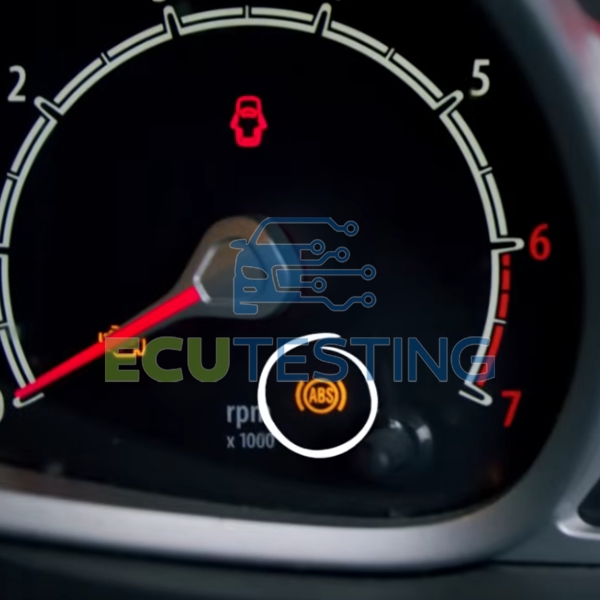
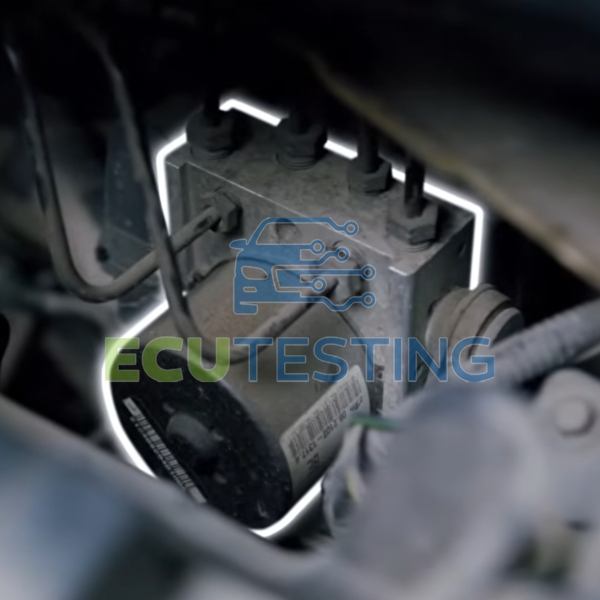
You’ve got to remember that the instrument cluster will illuminate the ABS light when it receives a CAN message indicating something out of the ordinary is happening in the anti-lock braking system. This typically occurs when the module identifies invalid, inconsistent, or out-of-range data from its sensors or internal circuits.
Therefore, an ABS light is a very vague symptom and it’ll almost always require further investigation to conclude whether there’s a problem with the control unit or not. The next step in investigating an ABS fault is to scan the vehicle with diagnostic equipment.
Wheel Speed Sensor Faults
It’s common that stored fault codes for a wheel speed sensor will accompany an illuminated ABS warning light. Helpfully, these codes will usually tell you which speed sensor is experiencing an issue, allowing you to investigate your potential ABS fault further.
An accompanying message of ‘electrical malfunction’ or ‘no signal’ indicates a WSS circuit malfunction, which could have been caused by an ABS unit fault.
If the WSS in question is receiving good power and ground, it’s likely faulty and will need replacing. You can verify this by switching the WSS with a known good one to see if the fault follows the sensor.
In other cases though, these codes are caused by an ABS module fault where it no longer supplies the WSS with a power and/or ground supply, therefore preventing it from functioning. In this case, you should rule out a wiring fault between the ABS unit and WSS before sending the control module off for professional testing.
This is a common issue for the BMW E39 and second-generation Suzuki Swift.
Pump Motor Faults
In other cases of an ABS unit fault, you’ll scan the vehicle with diagnostics only to uncover codes related to the pump motor. This is surprisingly common and is a key indicator of a problem with your ABS – just ask Volkswagen and Nissan Juke owners.
As you might know, the ABS unit’s pump motor is imperative for maintaining hydraulic pressure in the brake lines during assisted braking. However, like various aspects of your vehicle, these safety-critical units are vulnerable to internal malfunctions.
One way you can verify this has occurred is by carrying out a pump motor test with diagnostic equipment – if this isn’t possible, it’s a key indicator your ABS unit has a major problem. You also want to verify the integrity of the pump motor circuit before condemning the ABS unit – this includes testing related wiring and the pump motor fuse. Our step-by-step video below explains how to carry out these checks:
Brake Pressure Sensor Faults
As the ABS unit has developed over the years, it might have reduced in size and weight, but it’s significantly increased in complexity. Nowadays an ABS unit integrates various sensors that were once external to it, including various ESC-related sensors but also the brake pressure sensor.
Of course, the brake pressure sensor measures the amount of force the driver is applying to the foot brake. This, along with other important data sets, is crucial in allowing the ABS module to correctly modulate hydraulic pressure at each calliper to deliver the stopping force demanded by the driver.
As we mentioned, you’ll now typically find the brake pressure sensor integrated into the ABS unit’s hydraulic block. Therefore, when problems arise with the brake pressure sensor, it inevitably means the entire ABS unit needs to be remanufactured. Find out more about these sensors here.
Once you’ve verified the ABS unit’s power, ground and CAN connection, you can confirm a brake pressure sensor problem through diagnostic equipment by accessing live data readings. A functioning sensor should be responsive to the depression of the brake pedal, so a lack of, or an unresponsive live reading, confirms your ABS unit is faulty.
This is commonly an issue for a number of Audi and BMW models.
No Communication With The ABS Module
Sometimes, you’ll receive little to no assistance from diagnostic tools when investigating ABS problems. When the module refuses to communicate it’s a key indication it has suffered an internal malfunction. Of course, verify the unit is receiving adequate power and ground before concluding you have an ABS module fault on your hands.
Brake Binding
Although an ABS fault will so often throw up a warning light or fault code, this isn’t always the case. Many ABS units fail silently and the only indication that something’s wrong is a performance problem, like brake binding.
Brake binding occurs when hydraulic pressure can’t disperse properly from a calliper, causing the brakes to stay on. As the ABS control unit is central to hydraulic pressure regulation in the brake lines, a fault here is a key cause of brake binding problems.
One way you can verify this is by inspecting the suspect wheel’s calliper. If the affected wheel is hard to turn by hand, you can attempt to rectify this by bleeding at the calliper. If the wheel remains stuck then it’s likely a seized calliper is the source of your issues – this will need to be repaired or replaced. If the wheel frees up after bleeding the system, your problem lies up stream and it’s very likely there’s a fault with the ABS unit.
Learn more about this common issue in our video below:
Imbalanced Braking
As well as brake binding, it’s common for an ABS fault to cause a problem where the vehicle swerves under braking.
Again this is frequently caused by defective ABS unit disrupting the proper regulation of hydraulic pressure in the braking system. If the vehicle is swerving to the right, you’ll no doubt find a lack of fluid is reaching a calliper on the left side.
This is common for the Vauxhall Corsa D and you’ll need to have the ABS unit remanufactured to resolve your problems.
How To Resolve An ABS Unit Fault
As you can see, ABS problems can cause a huge range of symptoms, even more than those listed above. However, once you’ve narrowed your symptoms down to a defective ABS control module, we’d always recommend to have it professionally remanufactured.
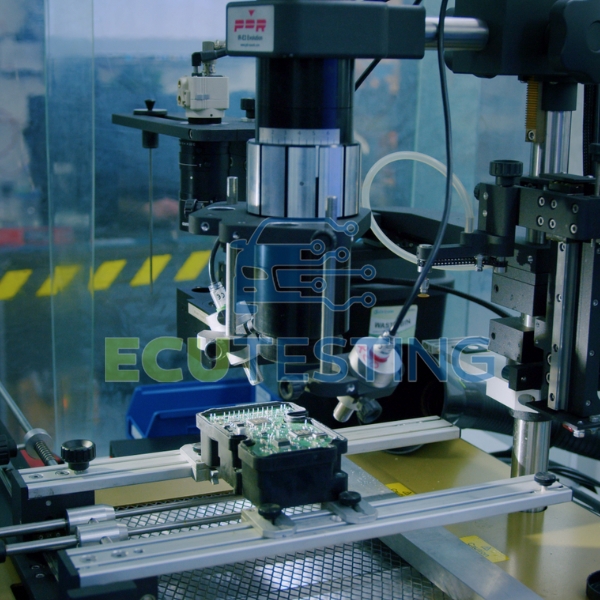
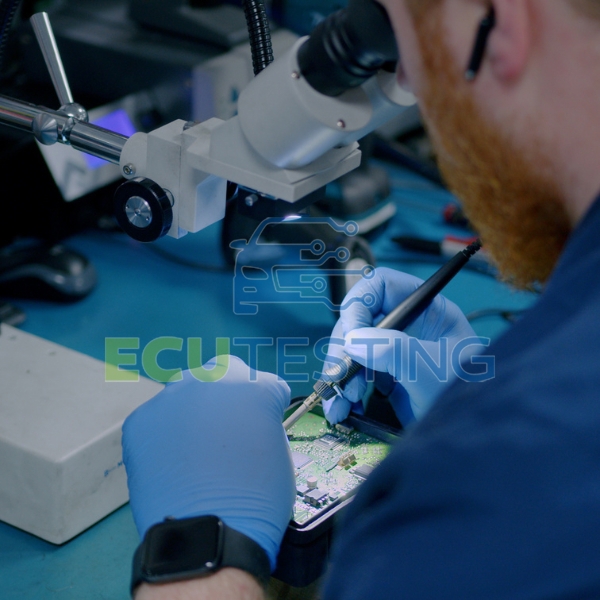
Thankfully, this is the very service we provide. It’s important to remember that replacement units, whether brand-new or second-hand, consist of the same internal components as your original unit. This leaves you significantly vulnerable to repeat failure in the near future.
Our comprehensive remanufacturing service will completely rework your unit internally so that the original failure mode is not only resolved, but it’s prevented from developing again in the future. We use higher-than-OEM-standard components in all of our rebuilds and we’ll cover you with a lifetime warranty too.
Resolve your ABS problems in just 2-3 working days by having your control module remanufactured by the experts – fill out our test form to get started.
Not sure where to even start with diagnosing ABS problems? Check out our easy-to-understand guide below:
Test and rebuild:
All control modules are carefully analysed on our hardware-in-the-loop testing rigs, which are capable of replicating realistic driving conditions. This allows us to pinpoint the root cause of unit failure and swiftly get to work rectifying it.
Programming:
Unlike when sourcing a replacement, you won’t need to worry about having your rebuilt unit recoded to your vehicle before fitting it. This is because all coding information is preserved throughout our process.
Quality:
Quality is at the heart of everything we do and this is exemplified by our proud defect rate of just 0.49%. This has helped us to become the chosen provider of automotive remanufacturing services for specialists across the globe.
Warranty:
Lifetime unlimited mileage*
How do I get my unit rebuilt?
To pay for the rebuild click the Shop Now link above, select your part number and click: Get yours rebuilt.
Print the payment/booking confirmation email.
Package the ABS unit inside a sturdy box with plenty of packaging material (make sure you include your confirmation email in the box).
Send us your package by tracked courier (the shipping instructions are on the confirmation email).
Once received we will test, rebuild and return your control module with an unlimited mileage lifetime warranty. (if your unit turns out not to be faulty then we will refund your payment less a small testing fee and return shipping)
What if I don’t want to pay up front?
This is not a problem, if you prefer this option then follow the following steps:
Fill in and submit this test form.
Print the booking confirmation email.
Package the ABS unit inside a sturdy box with plenty of packaging material (make sure you include your confirmation email in the box).
Send us your package by tracked courier (the shipping instructions are on the confirmation email).
Once received, we will test your control module and call you to advise on the outcome of testing, if your unit is faulty and you choose to go ahead with the rebuild then we will take payment over the phone using a debit/credit card.
We will then rebuild your unit and return it to you with an unlimited mileage warranty.
If you require further information regarding this ABS problems and faults page then please contact us.