Hyundai ABS Pump And Module Repair
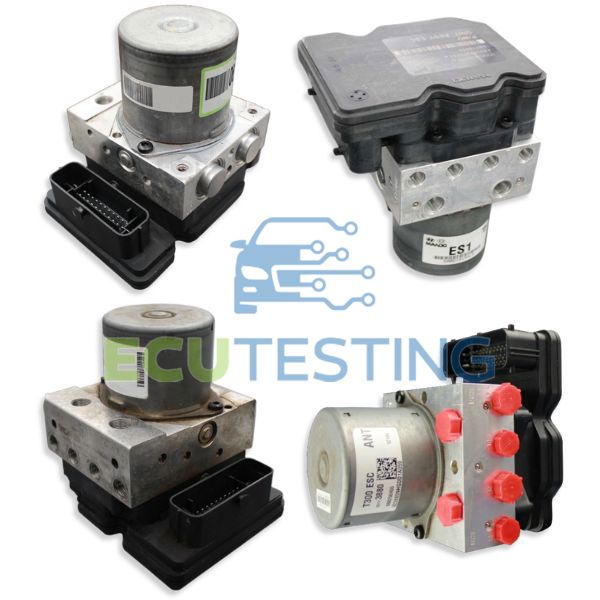
Does your Hyundai have an ABS light on? Are you experiencing unusual braking behaviour like binding or imbalanced braking? If so, there’s a good chance your Hyundai’s ABS pump and module unit is faulty and in need of repair.
This is a particular problem for Hyundai models like the first-generation i10 (2008-2013), first-generation i20 (2011-2015), and the third-generation i30 (2017-2018), whose owners are frequently in need of an ABS module repair.
Thankfully we restore functionality to a huge range of Hyundai ABS units to resolve a variety of common problems. Our process takes just 2-3 working days, we’ll cover you with an unlimited-mileage lifetime warranty and you won’t have to reprogram the unit afterwards.
To get started, select a commonly affected Hyundai model below, browse our product catalogue, or fill out our quick-and-easy test form.


Signs that your Hyundai ABS module needs to be repaired
There are various types of ABS module fitted to Hyundai models, so the signs that a repair is required can vary. However, there are some symptoms that emerge time and time again.
For example, a defective Hyundai ABS module almost always causes the ABS warning light to illuminate. This is because the ABS light is triggered when the control module fails one of its own diagnostic self-checks, typically causing a DTC to store too. The ABS light then illuminates to signal to the driver that an ABS-related problem has been electronically detected.
Of course though, an ABS warning light just represents an abnormality somewhere within the system, which could be caused by a range of issues. This is why we’d recommend scanning your Hyundai with a compatible diagnostic tool if the ABS light is illuminated. If you also uncover a DTC related to an ABS control module or pump motor fault, such as C2402, then there’s a strong chance your Hyundai’s ABS module is in need of repair.
During other instances of a Hyundai ABS unit fault, owners can experience problems with their vehicle’s physical braking. For example, an ABS unit fault can cause the brakes to bind or even cause the vehicle to swerve under braking. In this situation, we’d recommend sending the control unit to us for comprehensive testing.
We’ve custom-developed HIL testing rigs to be able to analyse various Hyundai ABS modules under realistic operating conditions to determine whether it’s defective and in need of repair. Make use of our service today and send your unit to us.
What causes Hyundai ABS faults?
Hyundai ABS units can experience problems for a number of reasons. However, we’ve found that various control units fitted to Hyundai models fail due to the inclusion of poor-quality internal components and inherent design flaws.
Of course, ABS faults in Hyundai vehicles can be caused by issues outside of the ABS module. This is why it can be worth carrying out a number of basic checks before condemning your Hyundai’s ABS module and incurring unnecessary repair costs. For example, when experiencing an ABS light, it’s worth ruling out wiring issues, connector damage, poor battery health and faulty wheel speed sensors. When experiencing imbalanced braking and brake binding, it’s worth making sure the brake lines are free of any leaks and that no calipers have seized.
If you don’t have the equipment to carry out these checks, or simply don’t have the time, that’s absolutely fine – we’ll test your unit and tell you whether it’s defective or not.
Hyundai ABS module: repair or replace?
Having concluded that their ABS unit is defective, some Hyundai owners choose to purchase a brand-new replacement unit. However, this can be incredibly expensive and it’s not always the most effective solution either.
As already mentioned, some units are subject to design flaws and the inclusion of components prone to premature degradation. So if you replace a unit that’s experienced one of these issues with a like-for-like replacement, you could remain vulnerable to the very same fault.
Thankfully, our comprehensive remanufacturing service offers a much more reliable and cost-effective solution than a replacement.
Our solution
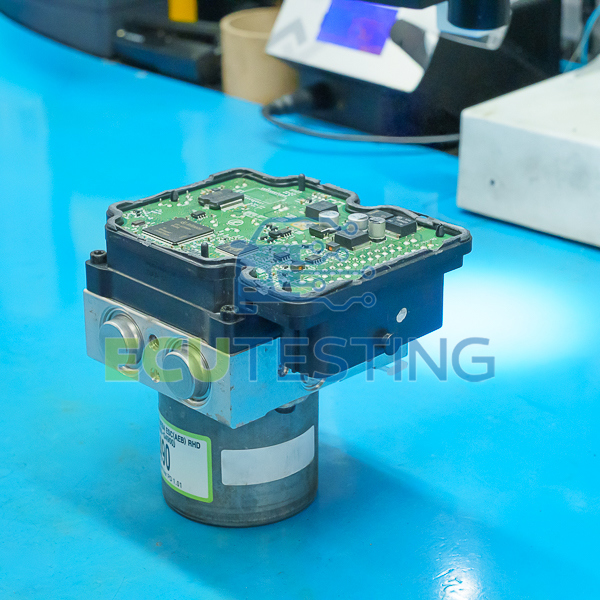
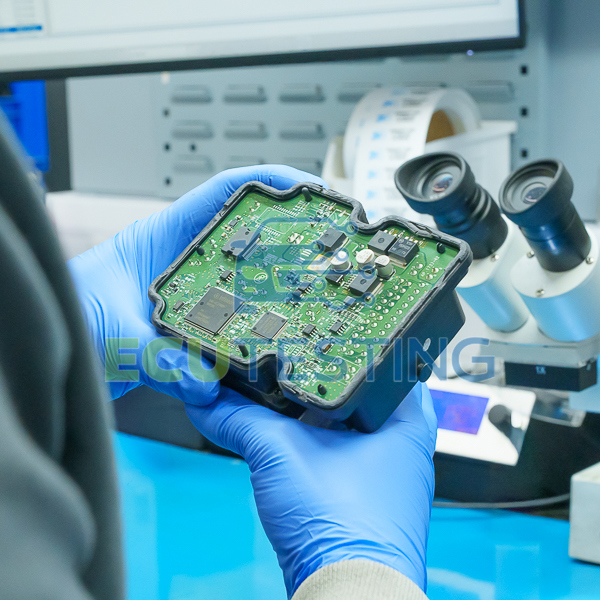
We’ve been providing expert remanufacturing services for a huge range of automotive control units since 2005, including Hyundai ABS units. We test control modules on custom-built HIL rigs before and after rebuilding them to ensure they’re fully functional and ready for the road.
Our process is designed to not only resolve the root cause of failure, but also to strengthen other areas of potential weakness. This is why we install higher-than-OEM-standard components where appropriate, to enhance the durability of your Hyundai’s ABS module – unlike many standard repair services.
Better still, we’ll cover you with an unlimited-mileage lifetime warranty and our process takes just 2-3 working days.
Hyundai ABS modules commonly in need of repair:
MEB3-E
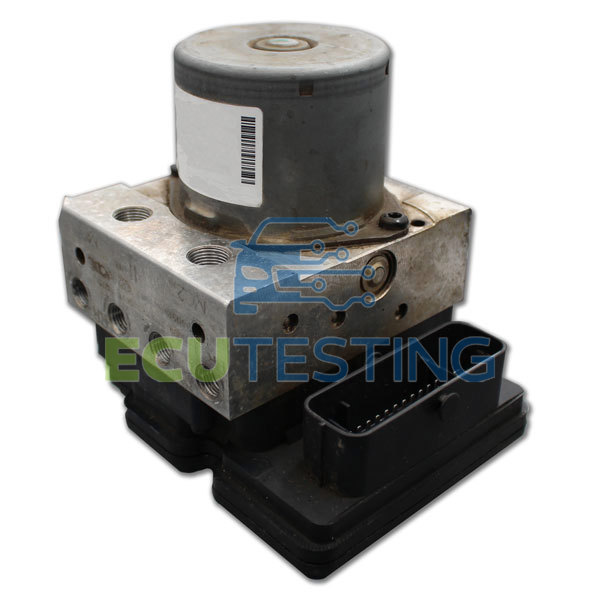
The Mobis MEB3-E ABS unit is fitted to some first-generation i20s and second-generation i30s, as well as the ix20. When this Hyundai ABS module is defective and in need of repair, you’ll typically find a C2402 DTC stored in its memory. In other instances, a faulty MEB3-E unit causes the brakes to bind.
Common failure symptoms:
- ABS warning light on
- ESP warning light on
- Brake binding
- Imbalanced braking
- No communication with the ABS module
Common fault codes:
- C2402 - ABS Pump Motor Electrical Fault
MEB4_ESC
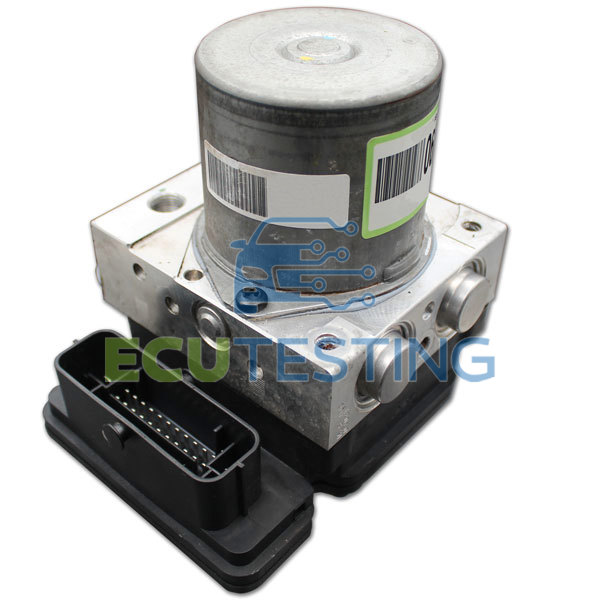
The Mobis MEB4 was the next ABS unit to be fitted to Hyundai i20 and i30 vehicles, but unfortunately, it too failed often, leaving many owners in need of an ABS module repair. When defective, these units cause the ABS and traction warning lights to illuminate and a C2402 DTC to store.
Common failure symptoms:
- ABS light on
- Traction light on
- Braking imbalance (lack of fluid to one or more wheels)
Common fault codes:
- C2402 - ABS Pump Motor Electrical Fault
MANDO_MK3
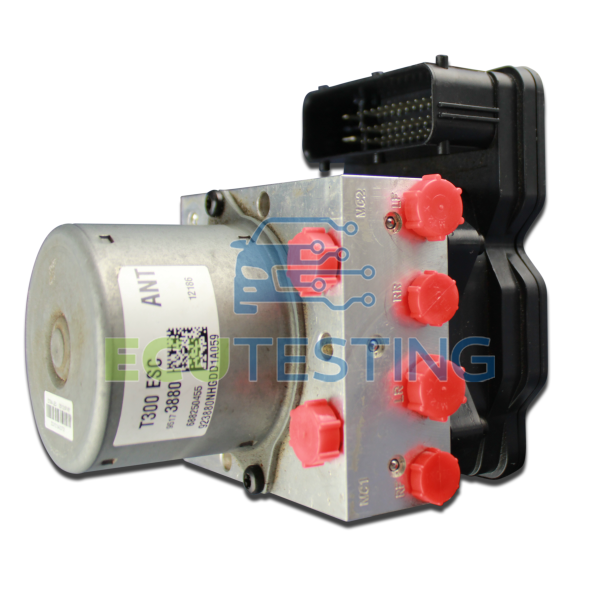
This Mando ABS unit is fitted to various Hyundai models from throughout the 2010s, particularly the i40 and third-generation Santa Fe. When this Hyundai ABS module is in need of repair, it’ll cause various warning lights to illuminate, and in some cases of failure, it can cause the vehicle’s brakes to bind.
Common failure symptoms:
- Brake binding
- ABS activating at low speeds
- ABS light on
- Traction light on
- Hill descent light on
MANDO_MK4
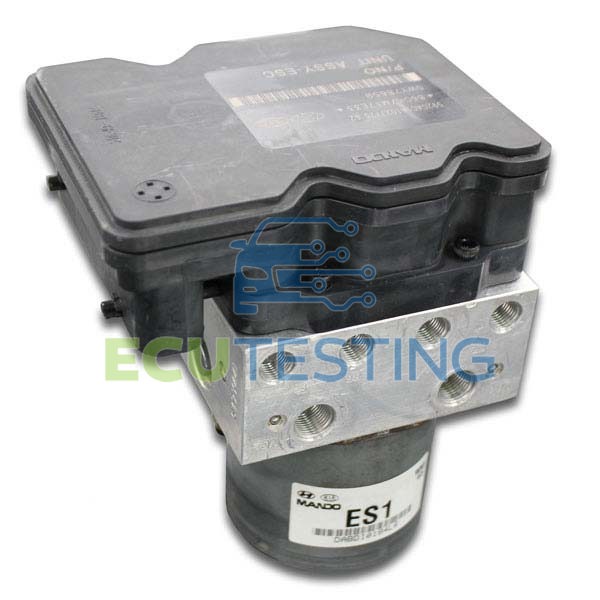
The Mando MK4 ABS unit is fitted to the first-generation i10 and the second-generation Tucson. Again, it’s common for the vehicle’s brakes to bind when this Hyundai ABS pump and module is faulty and in need of repair.
Common failure symptoms:
- ABS light on
- Brake binding
- Lack of fluid to one or more wheels
Test and rebuild:
We utilise the very latest testing equipment to be able to observe unit performance under realistic operating conditions. We’ll then strengthen all potentially failing areas of the control module with higher-than-OEM-standard components.
Programming:
You won’t need to waste time and money having your ABS unit recoded afterwards as all programming information is preserved throughout our process. This means you can simply plug and play your rebuilt ABS unit as soon as you receive it back.
Quality:
Our strict quality assurance practices ensure we provide an excellent service, and this is exemplified by our defect rate of just 0.49%. This is part of the why reason we’re trusted by thousands of industry specialists and main dealers worldwide.
Warranty:
Lifetime unlimited mileage*
How do I get my unit rebuilt?
To pay for the rebuild click the Shop Now link above, select your part number and click: Get yours rebuilt.
Print the payment/booking confirmation email.
Package the Hyundai ABS unit inside a sturdy box with plenty of packaging material and make sure you include your confirmation email in the box.
Send us your package by tracked courier (the shipping instructions are on the confirmation email).
Once received we will test, rebuild and return your control unit with an unlimited mileage lifetime warranty. If your unit turns out not to be faulty then we will refund your payment less a small testing fee and return shipping.
What if I don’t want to pay up front?
This is not a problem, if you prefer this option then follow these steps:
Fill in and submit this test form.
Print the booking confirmation email.
Package the ABS unit inside a sturdy box with plenty of packaging material and make sure you include your confirmation email in the box.
Send us your package by tracked courier (the shipping instructions are on the confirmation email).
Once received, we will test your unit and call to inform you of the outcome of testing. If your Hyundai ABS unit is faulty and you choose to go ahead with the rebuild, then we will take payment over the phone using a debit/credit card.
We will then rebuild your unit and return it to you with an unlimited mileage warranty.
If you require further information regarding this Hyundai ABS unit repair then please contact us.