BMW ABS Module Repair – ABS Light Solution
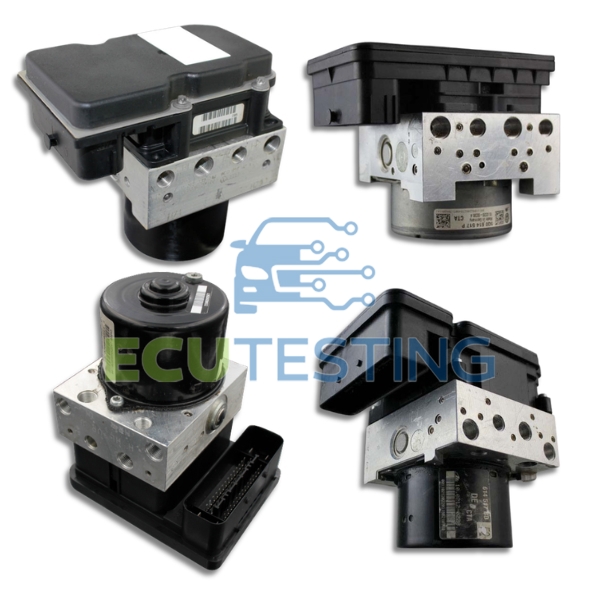
If your BMW’s ABS module is faulty and causing an ABS light, fault code, or reduced braking performance, we can help. We provide a comprehensive test and rebuild service for most commonly failing BMW ABS modules.
We rebuild ABS modules for a huge range of BMW models, whether you’ve got a 1 Series, 3 Series, or 5 Series, we’ve got you covered. Browse our product catalogue to find your unit, but know that you can send your ABS unit to us whether it’s listed on our website or not by filling out this test form.
We understand how frustrating a defective BMW ABS unit can be, and sourcing a replacement isn’t always easy or an effective solution. This is why we provide an unlimited-mile lifetime warranty on all rebuilds so that a BMW ABS module repair or replacement is the last of your worries for the foreseeable future.


Why do so many BMW ABS modules fail and need to be repaired?
The reason ABS module failure is so common in BMWs is predominantly due to internal component failure. This is where the internals of the module degrade over time, inevitably causing the whole unit to malfunction.
This is particularly common in control modules that were mass produced. As one of the world’s leading automotive manufacturers, BMW have produced millions of vehicles, and so millions of ABS modules had to be produced to accompany them. Unfortunately, in some cases, mass-produced control modules are comprised of low-quality internal components in order to minimise production costs. These components of course aren’t as long lasting as you’d hope, and cause the BMW’s ABS module to fail earlier in its lifecycle than expected - inevitably requiring a repair to restore full functionality.
However, before sending your BMW’s ABS module off for professional testing, or simply chancing a repair, it’s important to confirm this is the cause of your problems.
Signs your BMW’s ABS module needs to be repaired?
The most obvious sign that your ABS module is defective and in need of repair, is when your BMW illuminates the ABS warning light. In many cases, the traction control light is also triggered – of course not all BMWs are equipped with the same stability systems, so this could be the ASC (in earlier models) or DSC light (in more recent models).
Alarmingly, in most cases of failure, the ABS module identifies it isn’t functioning as expected (hence the ABS warning light) so it disables functionalities like anti-lock braking and stability control. In short, when your BMW’s ABS light is on because of an ABS module fault, it’s very likely the vehicle will be left with unassisted braking only.
However, an ABS light is a very broad symptom for your BMW to have and it could be being caused by a number of issues. This is why we’d always recommend scanning your vehicle with a compatible diagnostic tool to investigate any warning light further.
This way you’ll mitigate the risk of incurring any unnecessary BMW ABS module repair costs. For example, your diagnostic tool might point you in the direction of a faulty wheel speed sensor or reluctor ring that was causing your BMW’s ABS light to come on. Although, if your wheel speed sensors are fine and you’ve ruled out any wiring or power supply issues, the chances are your ABS module is defective.
If you uncover codes that strongly relate to the ABS unit, like ‘ABS control unit fault’ or ‘pump motor fault’, then there’s no doubt your ABS unit has malfunctioned.
If you don’t uncover any codes when investigating your BMW’s ABS light, or you don’t have a compatible scan tool, then don’t hesitate to send your ABS module to us for comprehensive testing.
Which BMW ABS modules are commonly defective?
As you’ll be aware, there are a huge range of BMW models and so there are inevitably many variants of ABS unit. It’s important to note that the ‘ABS unit’ is a term used for the all-encompassing unit made up of the ABS module, pump motor and hydraulic block.
We’ve detailed a number of commonly-failing BMW ABS modules below, although you can access our product catalogue to find your specific vehicle’s unit.
BMW ABS module fault: repair or replace?
Having narrowed their ABS warning light and accompanying symptoms down to a defective ABS control module, many BMW owners mistakenly choose to replace it with a brand-new one. While this might resolve your symptoms temporarily, it’s a very expensive solution and it usually leads to malfunction again later down the line.
Remember, these control modules are caused to fail due to poor-quality internal components, manufacturing defects and design flaws. Therefore in most cases, the internal malfunction that caused your original issue will be present in the replacement unit. Instead, we’ve got a much more effective option.
Our BMW ABS module solution
Rather than sourcing a replacement unit or low-quality repair, we propose having your BMW’s ABS module remanufactured by the industry experts.
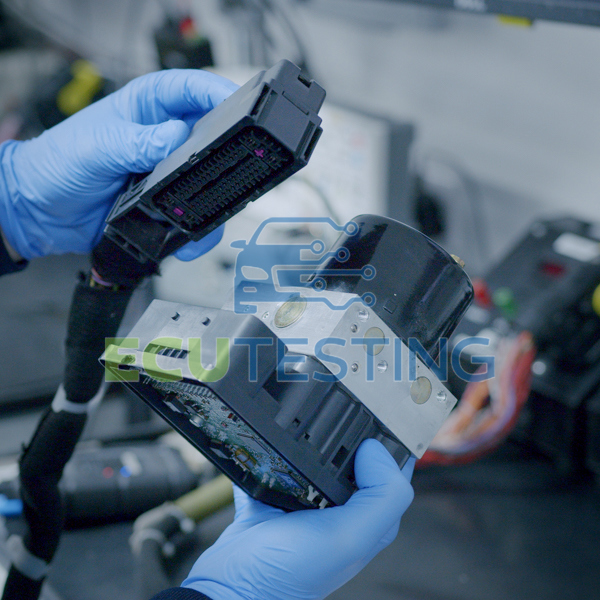
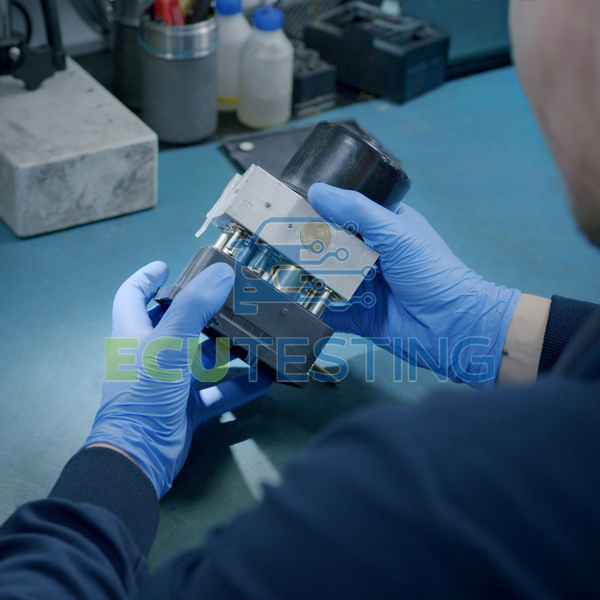
We won’t just resolve the root cause of failure, we’ll completely enhance the entire control module by rebuilding it with higher-than-OEM-standard components. This way functionality will be restored to your ABS unit for good, and it’ll likely outlast the lifetime of the vehicle. For further peace-of-mind, we’ll even cover your rebuilt module with an unlimited-mileage lifetime warranty too – much longer than most BMW ABS repair services.
Don’t worry about the faff of having to recode the ABS module back to your BMW like you’d have to do with a replacement – this information is restored throughout our process meaning no additional programming is required.
Don’t just have your BMW’s ABS module repaired, solve that ABS light properly. Have your ABS control unit remanufactured by us in just 2-3 working days.
BMW ABS modules commonly in need of repair:
ATE MK100
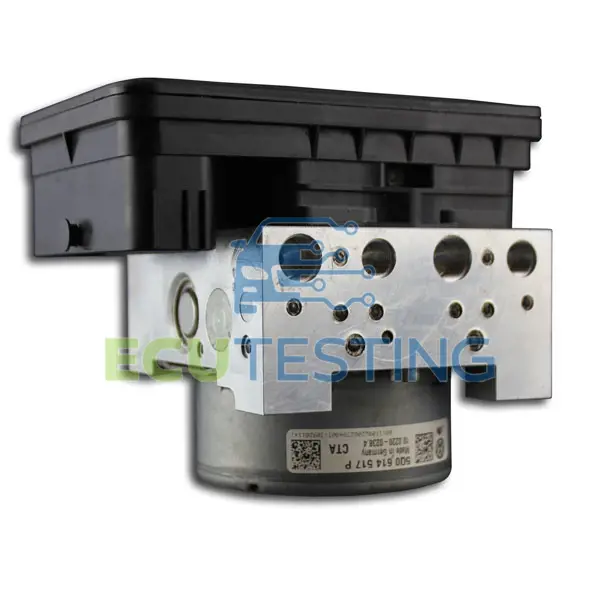
While its internal defect isn’t strictly confined to the ABS module, the ATE MK100 is one of the most-commonly failing ABS units in the world. When defective it causes the brakes to bind, especially when the wipers are active.
This BMW brake binding fault is a serious issue for a number of vehicles, like the second-generation 1 Series and sixth-generation 3 Series.
Common failure symptoms:
- Brakes binding
ATE MK61
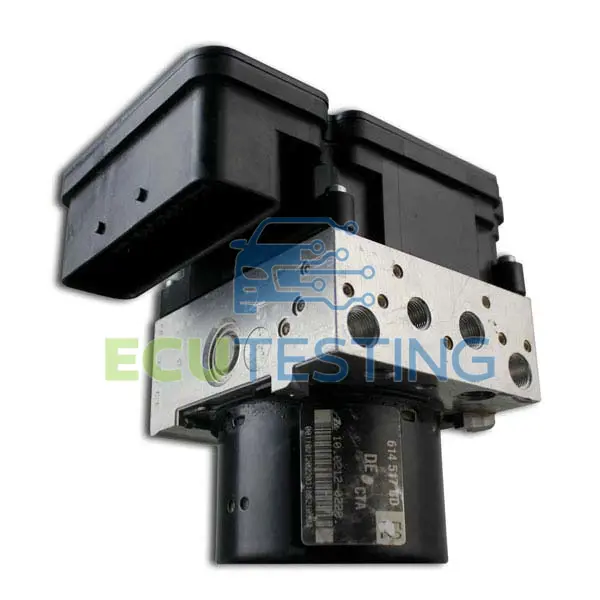
This control unit is widely used by most manufacturers and it’s commonplace in the fifth-generation BMW 3 Series. The ATE MK61 can also be found in the fourth-gen M5, E85 Z4 and first-gen 1 Series (125-130 spec level).
When it fails, the ABS light is triggered and your BMW will no doubt store pump-motor-related fault codes like 5DF0 and 5DF1.
Common failure symptoms:
- BMW’s ABS light on
- Traction light on
- 5DF0 – Hydraulic Unit Pump Motor
- 5DF1 – Hydraulic Unit Pump Motor Connector Fault
ATE MK60
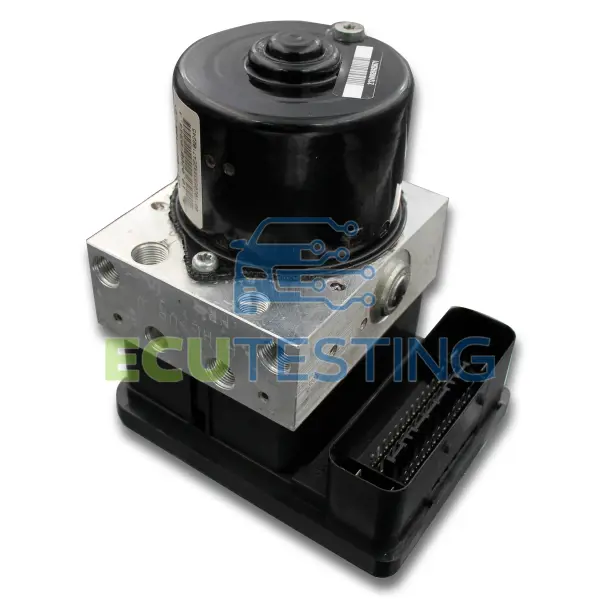
When a BMW has suffered a malfunction of the ABS unit’s control module, very often the unit in question is the ATE MK60. Unless repaired, the BMW’s ABS light is again illuminated and codes related to the ABS module or brake pressure sensor are stored (5DF5 or 5E20).
Although fitted to a number of BMW models, these units are a big issue for the fourth-and-fifth-generation 3 Series. Note that higher-spec (325-335) fifth-gen 3 Series vehicles tend to be fitted with a MK61, with lower spec (316-325) carrying a MK60.
Common failure symptoms:
- BMW’s ABS light on
- DSC light on
- Traction light on
- 5DF5 – ABS/DSC Control Unit Internal Fault
- 5E20 – Hydraulic Pressure Sensor Fault
Bosch 5.7
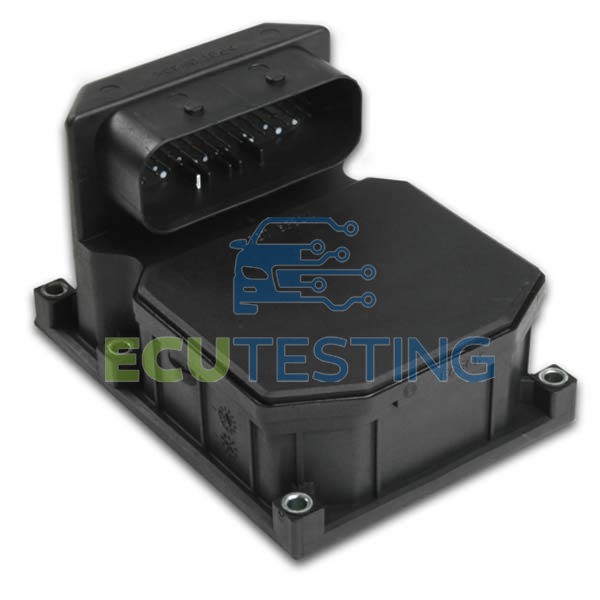
When these ABS control modules require a repair they cause similar symptoms for your BMW; an ABS, traction and DSC warning light.
These ABS units predominantly cause issues for fourth-generation 5 and 7 Series owners, although they can be found on the X5 too.
Common failure symptoms:
- BMW’s ABS light on
- DSC light on
- Traction light on
Bosch 8.0ESP
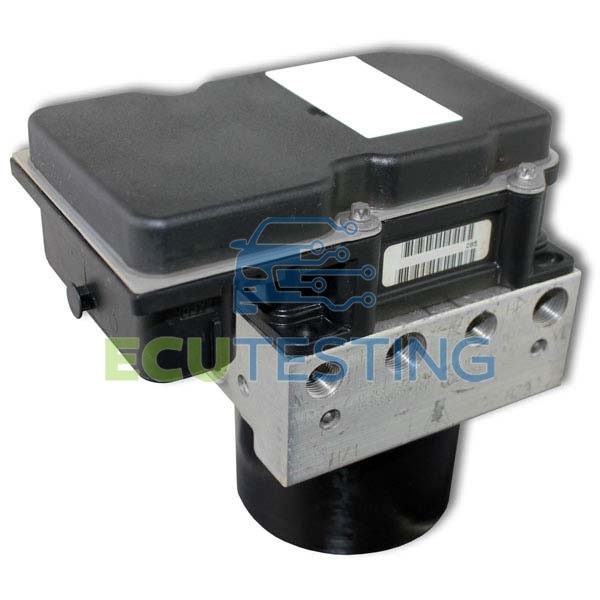
When these modules are in need of repair, they’ll trigger the ABS and DSC lights but they’ll also cause the BMW’s wipers to activate and disrupt the speedometer.
This ABS unit is commonly found on SUV models like the X1, X3 or X5.
Common failure symptoms:
- BMW’s ABS light on
- DSC light on
- Traction light on
- Inaccurate speedometer readings
- Wipers constantly active
- 6E58 – DSC F-CAN Sensor Error
Bosch 5.7ASG
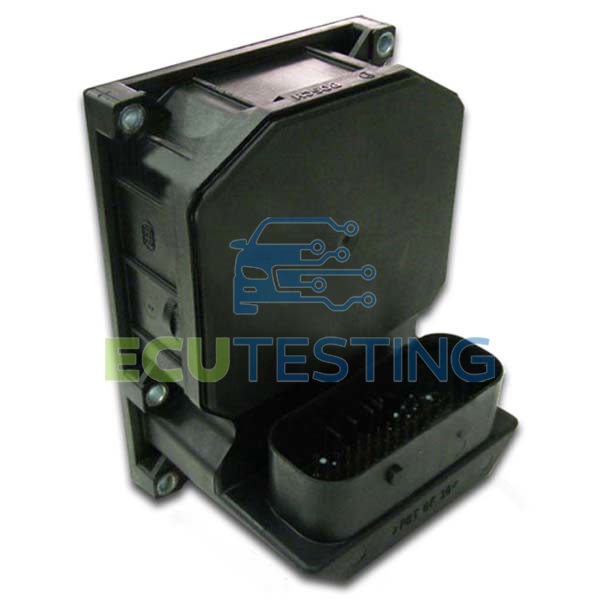
Wheel speed sensor related fault codes are typically triggered when this BMW ABS module is in need of repair – that’s in addition to an illuminated ABS and traction light.
Find these units on 5 Series and 7 Series models from the late 1990s and early 2000s.
Common failure symptoms:
- BMW’s ABS light on
- Traction light on
- 33 code stored (wheel speed sensor fault)
Test and rebuild:
All BMW ABS modules are examined under realistic operating conditions using our bespoke hardware-in-the-loop testing rigs. Once the internal malfunction has been pinpointed, we’ll remanufacture your unit using higher-than-OEM-standard components.
Programming:
You won’t need to have your control module recoded to your vehicle after we’ve rebuilt it, all programming information is preserved throughout.
Quality:
As we offer an unlimited-mileage lifetime warranty on all rebuilds, we do everything in our power to ensure your control module has been remanufactured to last. Our strict quality assurance practices have contributed to our industry-leading defect rate of 0.49%.
Warranty:
Lifetime unlimited mileage*
How do I get my unit rebuilt?
To pay for the rebuild click the Shop Now link above, select your part number and click: Get yours rebuilt.
Print the payment/booking confirmation email.
Package the ABS module inside a sturdy box with plenty of packaging material and make sure you include your confirmation email in the box.
Send us your package by tracked courier (the shipping instructions are on the confirmation email).
Once received we will test, rebuild and return your unit with an unlimited mileage lifetime warranty. If your unit turns out not to be faulty then we will refund your payment less a small testing fee and return shipping.
What if I don’t want to pay up front?
This is not a problem, if you prefer this option then follow these steps:
Fill in and submit this test form.
Print the booking confirmation email.
Package the ABS unit inside a sturdy box with plenty of packaging material and make sure you include your confirmation email in the box.
Send us your package by tracked courier (the shipping instructions are on the confirmation email).
Once received, we will test your control module and call to inform you of the outcome of testing. If your unit is faulty and you choose to go ahead with the rebuild, then we will take payment over the phone using a debit/credit card.
We will then rebuild your ABS module and return it to you with an unlimited mileage warranty.
If you require further information regarding this BMW ABS module repair page then please contact us.