Peugeot 208 Engine ECU Fault – Causing P0003 & P0245
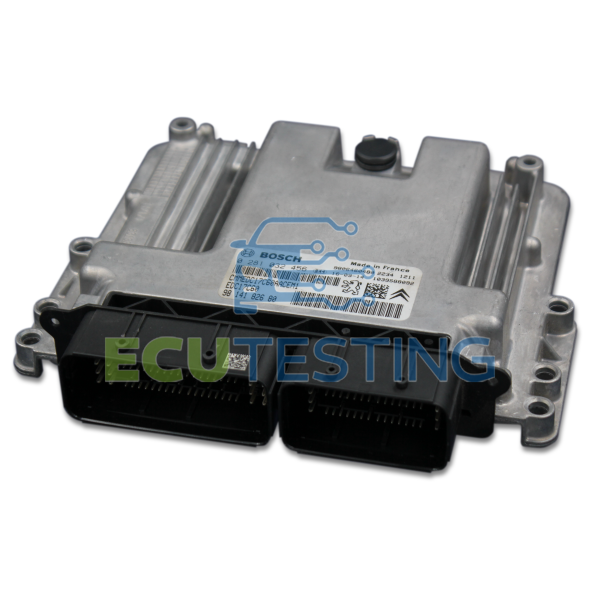
An increasingly common issue for various 1.6L BlueHDi Peugeot models is a defective engine ECU. The EDC17C60 is a known problematic control module and it’s something first-generation Peugeot 208 owners should be aware of - especially with P0003 and P0245 codes present.
Peugeot 208 ECU Rebuild – Resolve P0003 & P0245
You’ll find these ECUs in 208 and second-generation Partner models in particular, although some 308, 2008, 3008 and 5008 vehicles are also equipped with them. It’s important to note that Peugeot have only fitted these ECUs to 1.6L BlueHDi vehicles, which trigger P0003 and P0245 when they fail.
The reason these control modules are so prone to failure is due to an internal defect, which causes them to degrade and malfunction earlier than you’d expect them to. Plenty of affected Peugeot 208 drivers will tell you this has caused them serious problems, like cutting out, no start and P0003 and P0245 codes that just won’t clear.
It’s these two codes that indicate your engine ECU has suffered a known malfunction. While symptoms like cutting out and no start can so easily be caused by other issues on the vehicle, experiencing them alongside both P0003 and P0245 is such a unique failure that it can be pinpointed directly to the Peugeot 208 ECU. But how does this all happen?
What causes P0003 & P0245 to store in Peugeot 208s?
Let’s begin with the first of these irritating codes, no doubt your 1.6L BlueHDi hasn’t been running quite right, so you’ve run diagnostics, only to find:
- P0003 – Fuel Volume Regulator Control: Short To Ground
As stated by your chosen diagnostic tool, P0003 is indicating an issue with your Peugeot’s fuel volume regulator (FVR). As you’ll know, common rail diesel injection systems comprise of various critical components to maintain efficient combustion, one of which is the high-pressure fuel pump. The FVR is mounted to the high-pressure fuel pump and controls the amount of fuel entering the pump’s high-pressure chamber.
If you're wondering how this relates to your Peugeot’s defective engine ECU, well, it’s all to do with how the FVR is controlled. It’s the engine ECU that controls the FVR by supplying it a pulsed ground signal. So your Peugeot’s P0003 code implies the circuit is being completed when it shouldn’t be, causing the ECU to suggest a short to ground.
This is a common problem for the EDC17C60 when it suffers internal failure, it loses the ability to reliably control important actuator circuits. These control modules degrade internally, meaning you might experience intermittent issues like the engine cutting out, before it fails to start at all.
To summarise, the P0003 code stored in your Peugeot 208 is caused when the 1.6L BlueHDi engine ECU detects a lower reading than expected in the fuel volume regulator circuit – don’t worry we’ll come to P0245 next.
What causes P0245 to store in Peugeot 208s?
Now we understand how the P0003 code is stored by the faulty engine ECU in your 1.6L BlueHDi, let’s address P0245:
- P0245 – Turbocharger Wastegate: Short To Ground
This code is indicating an issue with the turbocharger wastegate. You might already know that this is effectively a gate on the turbocharger which is opened and closed to dictate how much exhaust gas reaches the turbocharger’s turbine. The wastegate is designed to prevent the turbo from creating too much boost, protecting the engine.
Your Peugeot 208’s P0245 code is a similar story to the P0003 code, it’s also indicating a short to ground. It’s no coincidence either, that the turbocharger wastegate position is also controlled by the engine ECU.
We’ve already understood, thanks to P0003, that the Peugeot engine ECU is constantly pulling the FVR to ground, causing running issues and triggering a ‘short to ground’ detection. Well, the same process is happening again but in the turbocharger wastegate circuit – leaving the wastegate open and triggering P0245.
Now, if the wastegate is being left open, a greater proportion of exhaust gasses are bypassing the turbo’s turbine chamber – meaning they can’t be used to deliver any additional boost to the engine. This means you’ll no doubt be experiencing a lack of power as well as a stored P0245 code in your Peugeot 208.
Our Peugeot 2008 P0003 & P0245 Solution
As we’ve explained, the presence of these two codes and the aforementioned running issues, strongly indicate you’ve got a defective engine ECU on your hands. So, what are you going to do about it?
You’ve got a couple of options. You could choose to completely replace it with a brand new unit from the manufacturer. However, as the fault stems from an internal defect, replacement modules are liable to breakdown and fail again in exactly the same way. We think this option is about as efficient as a constantly opened turbocharger wastegate.
Instead, we propose having your ECU professionally rebuilt. This way the defect is not only removed, but it’s prevented from returning and you’ll be covered by extensive warranty.
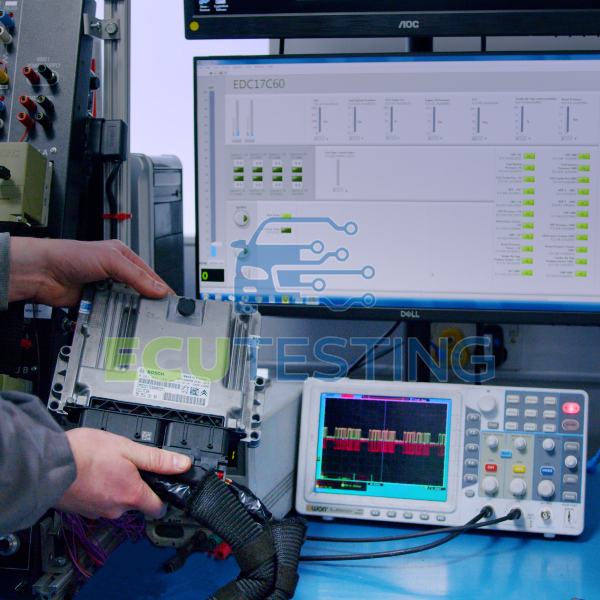
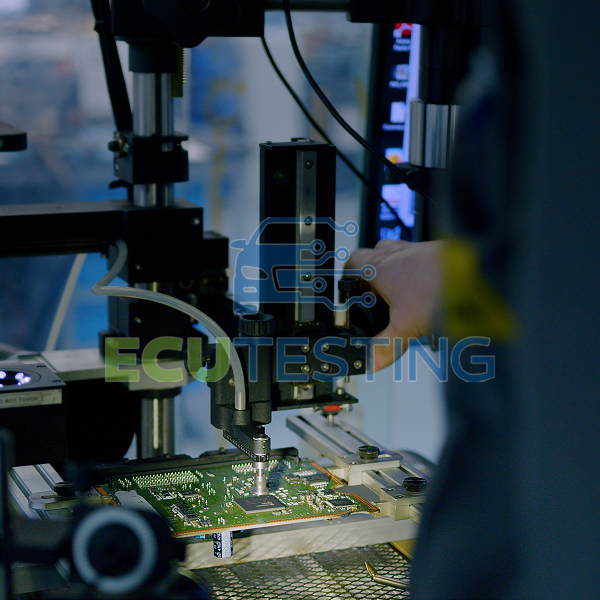
Our talented team of techs are the masters of this. Tooled with state-of-the-art equipment and higher-than-OEM-standard components, our team will resolve your Peugeot 208’s P0003 and P0245 fault for good. Unlike sourcing a replacement ECU, you won’t even have to reprogramme the rebuilt unit either – our process retains all coding information.
Don’t waste time and money replacing your Peugeot engine ECU. Resolve your 208’s P0003 and P0245 the smarter, and longer-lasting way, choose remanufacturing. Our process takes just 2-3 working days and we’ll cover you with unlimited-mile lifetime warranty too.
Fill out our short test form to get started.
Common failure symptoms:
- No start
- No comms with ECU
- Engine light on
- Engine cutting out
- Loss of engine power
Common fault codes:
- P0003 - Fuel Volume Regulator Control: Short To Ground
- P0245 - Turbocharger Wastegate: Short To Ground
- P1631 - ECU Internal Fault
- P1632 - ECU Internal Fault
- P2669 - Sensors 2 5V Electrical Power Supply: Voltage Too Low
- P2670 - Sensors 2 5V Electrical Power Supply: Voltage Out of Tolerance
It’s also common for Citroen vehicles to suffer EDC17C60 failure too – check out our page on this here.
Test and rebuild:
Our cutting-edge testing equipment analyses your control module under realistic driving conditions before and after the rebuilding process. This allows us to pinpoint hard-to-find faults and ensure your rebuilt ECU is ready for action as soon as you receive it back.
Programming:
Our remanufacturing process preserves all coding information stored in your control module when you receive it back from us. This means you won’t incur any additional coding charges when refitting your ECU.
Quality:
We take quality seriously and it’s at the heart of everything we do. We pride ourselves on our defect rate of just 0.49%. This has helped us become a trusted provider of automotive remanufacturing services worldwide.
Warranty:
Lifetime unlimited mileage*
How do I get my unit rebuilt?
To pay for the rebuild click the Shop Now link above, select your part number and click: Get yours rebuilt.
Print the payment/booking confirmation email.
Package the Peugeot ECU inside a sturdy box with plenty of packaging material (make sure you include your confirmation email in the box).
Send us your package by tracked courier (the shipping instructions are on the confirmation email).
Once received we will test, rebuild and return your control module with an unlimited mileage lifetime warranty. (if your unit turns out not to be faulty then we will refund your payment less a small testing fee and return shipping).
What if I don’t want to pay up front?
This is not a problem, if you prefer this option then follow these steps:
Fill in and submit this test form.
Print the booking confirmation email.
Package the ECU inside a sturdy box with plenty of packaging material (make sure you include your confirmation email in the box).
Send us your package by tracked courier (the shipping instructions are on the confirmation email).
Once received, we will test your engine ECU and call you to advise on the outcome of testing, if your control module is faulty and you choose to go ahead with the rebuild then we will take payment over the phone using a debit/credit card.
We will then rebuild your ECU and return it to you with an unlimited mileage warranty.
If you require further information regarding this Peugeot 208 engine ECU then please contact us.